

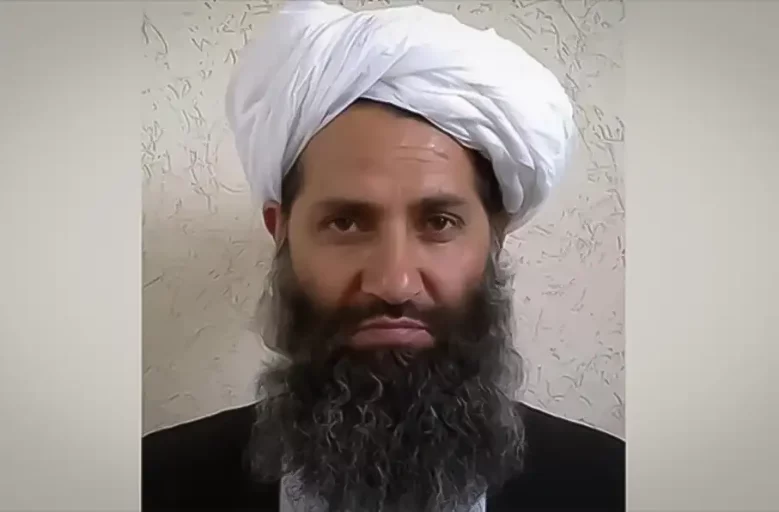
RASC News Agency: The reclusive leader of the Taliban, Hibatullah Akhundzada, has issued a new decree, stating that only the official spokespersons of the Taliban have the authority to speak on behalf of the group. This directive comes amid increasing instances of conflicting statements from various Taliban officials, revealing a lack of unified vision and deepening internal divisions within the leadership.
Akhundzada’s order also mandates that spokespersons refrain from commenting on matters where the Taliban’s position is unclear, emphasizing that any statements must first receive direct approval from the leadership. Analysts interpret this decree as an attempt by Akhundzada to consolidate power and suppress dissent within the ranks. The decree also highlights the increasing centralization of power within the Taliban, with Akhundzada positioning himself as the ultimate authority.
Journalists and media outlets have criticized the Taliban’s tightening grip on information, noting that these restrictions severely hinder the free flow of information and transparency. Recently, a journalist questioned the Taliban’s Minister of Higher Education about when girls’ schools would reopen, only to receive a shocking response that the issue was “pending until further notice.” This incident sparked widespread outrage, further illustrating the Taliban’s draconian approach to governance.
Prominent Taliban figures such as Anas Haqqani and Sirajuddin Haqqani have repeatedly criticized Akhundzada for monopolizing power, accusing him of stifling debate and fostering a culture of silence among the group’s leadership. The decree is seen as a further attempt by Akhundzada to tighten his grip on power and suppress internal dissent, but the fractures within the Taliban are becoming increasingly visible. Each faction appears to be vying for influence and control, revealing the underlying personal and tribal interests driving the group.
The Taliban have also imposed strict censorship on the media, barring them from publishing content that contradicts the group’s interests.