
RASC News Agency: According to a report published by Xinhua News Agency, severe seasonal floods in recent weeks have caused widespread destruction across Afghanistan, pushing large parts of the country into a renewed humanitarian crisis one that has been exacerbated by structural inefficiencies and the lack of effective governance under Taliban rule.
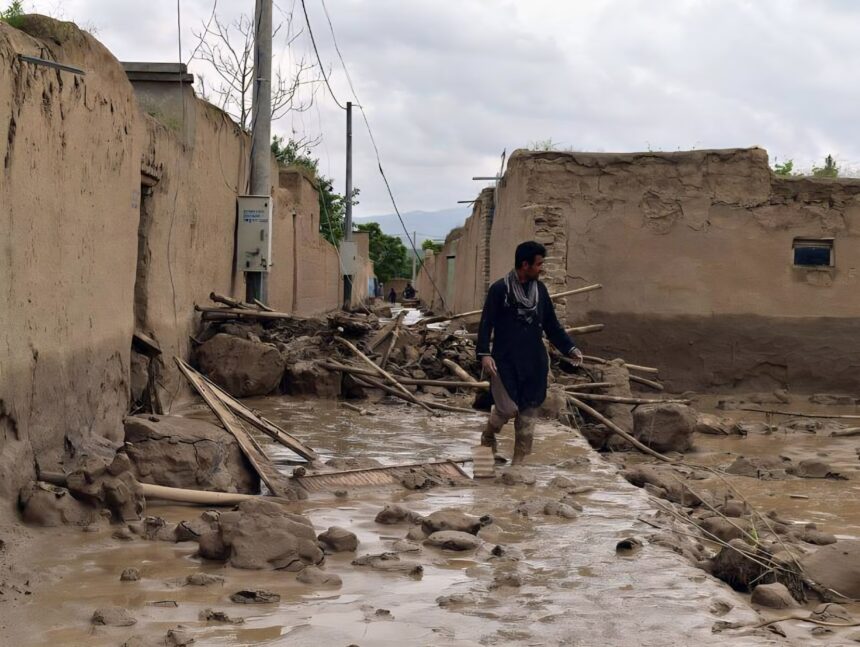
The report states that the floods have destroyed homes and agricultural lands in multiple regions, significantly worsening the living conditions of thousands of families. Fragile infrastructure, already strained by years of conflict and underinvestment, has been left highly vulnerable in the absence of preventive planning and disaster management.
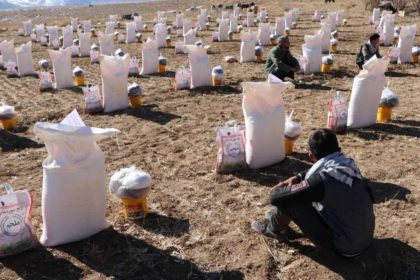
Xinhua emphasizes that the consequences extend beyond physical destruction. The floods have intensified the country’s already fragile humanitarian situation, with many affected communities struggling to access basic necessities such as shelter, food, and healthcare. The absence of transparent and efficient relief mechanisms has further complicated emergency response efforts, leaving vulnerable populations without timely assistance.
This development comes amid a broader backdrop of overlapping crises in Afghanistan, including widespread poverty, food insecurity, and economic collapse. International observers have repeatedly pointed to governance challenges and restrictive policies as key factors worsening these conditions. Within such a fragile context, the impact of large-scale flooding has once again exposed the country’s limited capacity to respond effectively to humanitarian emergencies.