
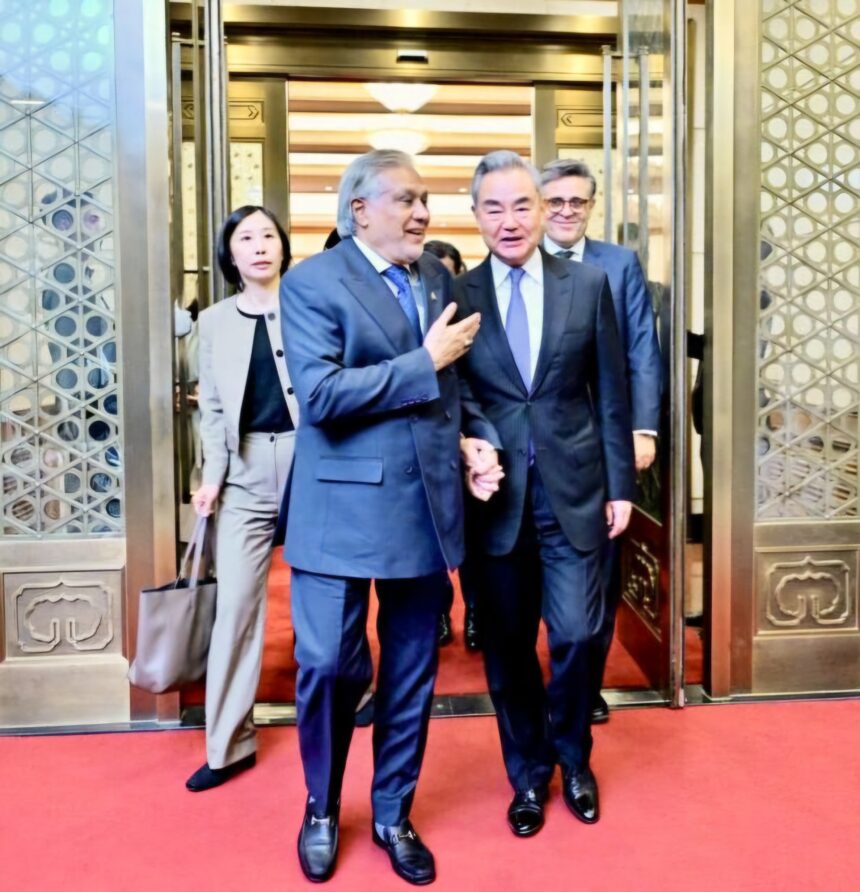
RASC News Agency: According to The Diplomat, talks between Pakistan and the Taliban, mediated by China, have been taking place discreetly behind closed doors since April 1, 2026, in Urumqi. This approach reflects Beijing’s traditional preference for quiet, tightly managed diplomacy.
The primary goal of China’s mediation is to reduce escalating tensions between Islamabad and the Taliban, which have intensified due to cross-border attacks and Pakistan’s military responses. However, the continuation of clashes even during negotiations highlights that the crisis runs deeper than tactical disagreements, rooted instead in structural distrust and security failures.
China—Pakistan’s strategic partner and a key economic actor in Afghanistan is driven less by pure peacemaking and more by concerns over the security of its investments, particularly the Belt and Road Initiative and regional trade routes.
Pakistan’s military operation, known as “Ghazab-ul-Haq,” has evolved from targeted strikes against Tehrik-i-Taliban Pakistan hideouts into a broader doctrine. Under this framework:
• Any infrastructure seen as supporting anti-Pakistan militants
• Even if linked to the Taliban
is considered a legitimate military target.
This marks a significant shift, indicating that Pakistan no longer clearly distinguishes between the Afghanistani Taliban and hostile militant groups a direct reflection of deepening mistrust.
Despite ongoing talks, artillery exchanges and border clashes continue. Pakistani officials report the killing of hundreds of militants, including Taliban members figures that underscore both the intensity of the conflict and the distance from any meaningful resolution.
China has stated briefly that both sides agreed to avoid escalation, yet:
• Details of the negotiations remain undisclosed
• The Taliban have maintained a pattern of opacity
This lack of transparency reinforces concerns about accountability.
The Taliban, seeking international legitimacy, face increasing pressure to act against groups such as:
• Tehrik-i-Taliban Pakistan
• East Turkestan Islamic Movement
However, past patterns suggest that Taliban commitments often remain rhetorical and tactical rather than substantive.
If the talks result in concrete, verifiable guarantees especially commitments to prevent militant activity they could mark a turning point. But such an outcome would require a fundamental shift in Taliban behavior, for which there is currently little credible evidence.
Failing that:
• China’s mediation risks collapsing
• Afghanistan could face deeper isolation and instability
While China’s mediation carries diplomatic weight, it is fraught with uncertainty. Ultimately, the success or failure of this process depends largely on the Taliban’s choices whether to move toward international responsibility or continue policies that deepen regional instability and mistrust.