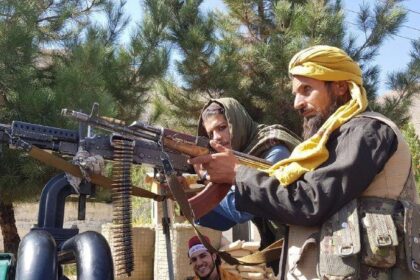

RASC News Agency: Recently, Ali Reza Beikdeli, the chargé d’affaires of the Islamic Republic of Iran in Kabul, announced that “there is no obstacle to recognizing the Taliban.” This statement signals Tehran’s decision to formally recognize the Taliban government.
Observers note that this move effectively nullifies the claims of Taliban opponents, who argued that foreign support or the lack of official recognition was contingent on the resistance’s activities. In reality, these assertions appear baseless and had no tangible impact on Iran’s decision-making process regarding the Taliban.
Shamsuddin Hamid, journalist and university professor, wrote on his Facebook page that the social media campaigns and misinformation spread by anti-Taliban factions have had no influence on Tehran’s foreign policy or its willingness to engage with the Taliban.
Hamid specifically criticized the actions of Fazl Ahmad Manawi, widely known as Ahmad Massoud’s political representative in Iran, claiming that Ma’navi’s assertion that the resistance’s efforts prevented Taliban recognition was nothing more than “airborne fantasy and baseless rhetoric.”
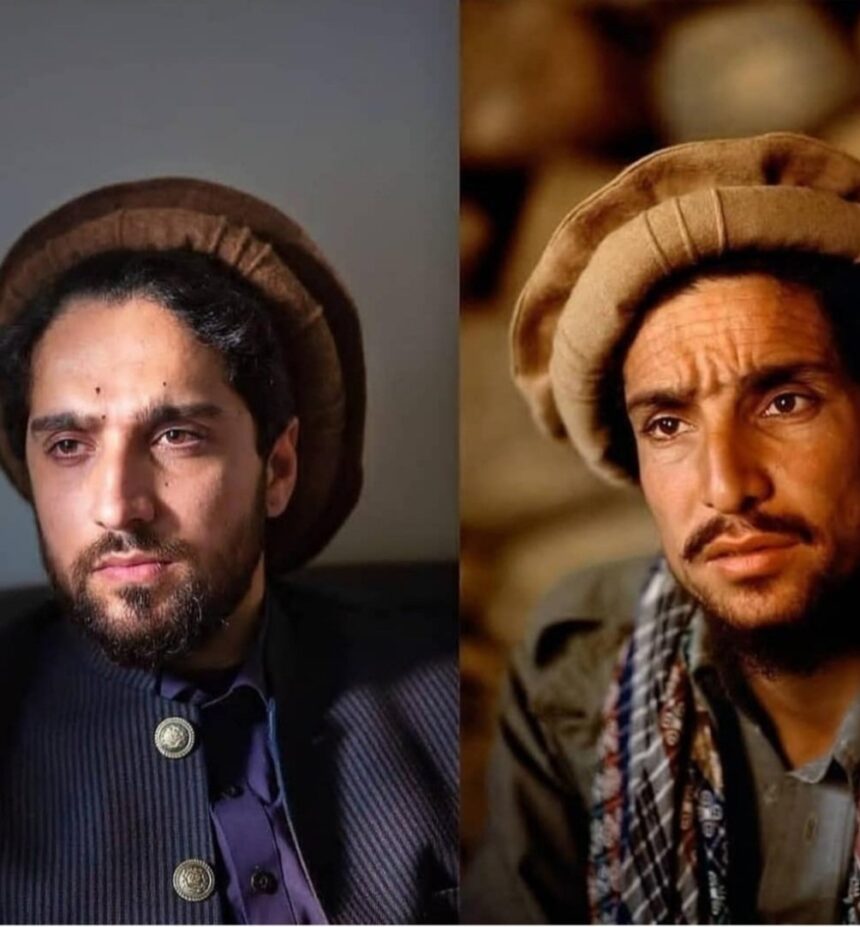
According to Hamid, should Iran officially recognize the Taliban, the first to be embarrassed would be Fazl Ahmad Manawi, followed by Ahmad Massoud, known as Qiblah Alam. Hamid argues that the resistance leadership has been so ineffective that it first lost Russian support, and with Iran’s recognition of the Taliban, the future prospects of the movement are further weakened and even potentially expelled from regional influence.
Hamid states:
“A front without a statute, without a program, dominated entirely by Tarek Mohammadi and senior members who were all traitors, was destined for such a fate.”
He further criticized Ahmad Massoud’s attempts to “reorganize the structure and establish councils in Mashhad and Dushanbe,” describing these efforts as superficial maneuvers designed merely to distract loyal but disillusioned members, with no practical outcome.
The report concludes that the resistance front is now effectively both bankrupt and disbanded. The sycophantic and lethargic commanders who participated in Ahmad Massoud’s manipulations can no longer expect financial support.
Shamsuddin Hamid emphasizes that Ahmad Massoud has betrayed not only the Afghanistani people but also the legacy of his martyr father, asserting that “he is now dead” in the sense that he no longer has the capacity to continue deception or leadership within the resistance front.