
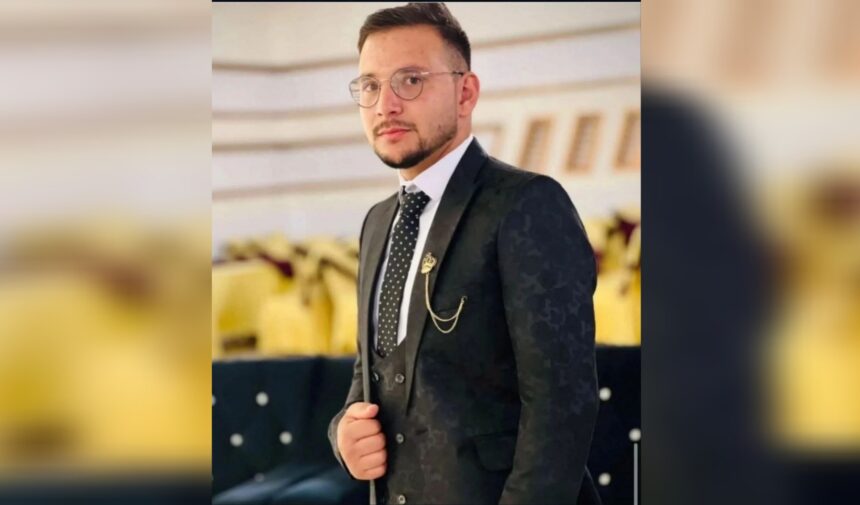
RASC News Agency: Local and community sources report that Dr. Saeed Elias Ahmadi, a well-known physician, was killed on Saturday, January 20, in the Afghanistan’s capital Kabul, after being targeted by armed robbers an incident that has once again raised serious concerns about public safety under Taliban rule.
According to the reports, the shooting occurred in the Fifth Security District of Kabul, near the Qasr-e Salman Hotel, during the late afternoon hours. Witnesses stated that a group of armed assailants opened fire on Dr. Ahmadi before fleeing the scene. As of this writing, no individual or group has been identified or apprehended in connection with the attack.
Family members, colleagues, and numerous social media users have described the killing as brutal, unjust, and cowardly, calling on security authorities to conduct a transparent investigation and bring the perpetrators to justice. Many have warned that the continued silence and inaction surrounding such crimes further erode public trust and deepen the sense of insecurity among citizens.
Despite the gravity of the incident, no official statement has been issued by Taliban authorities or the Ministry of Interior regarding the killing. The absence of timely information about the motive, suspects, or investigative steps reflects a broader pattern of opacity and lack of accountability in responding to violent crime.
This killing comes amid a growing wave of armed robberies and violent criminal incidents in Kabul and other provinces developments that sharply contradict Taliban claims of having established “comprehensive security” across the country. While the group maintains tight political and social control, repeated incidents of lethal crime suggest a failure to provide even basic protection for civilians, including professionals whose loss further weakens Afghanistan’s fragile social fabric.
The murder of Dr. Ahmadi underscores a troubling reality: the Taliban’s version of stability prioritizes control over citizens, not their safety. As violent crime continues with little transparency or justice, fear and uncertainty increasingly define daily life for ordinary Afghanistanis.