
RASC News Agency: The United Nations Development Programme (UNDP) has issued a stark warning that Afghanistan’s humanitarian and economic crisis is intensifying, with nearly 90 percent of Afghanistani households now unable to meet their most basic needs. According to the agency’s latest assessment, the return of approximately 2.3 million migrants, coupled with a protracted economic collapse, recurring natural disasters, and the worsening impacts of climate change, is placing unprecedented pressure on the country’s already fragile social and economic fabric. The UNDP cautions that without substantial investment in communities absorbing returnees and without reversing the Taliban’s sweeping restrictions on women the prospects for sustainable recovery and long-term stability will continue to deteriorate.
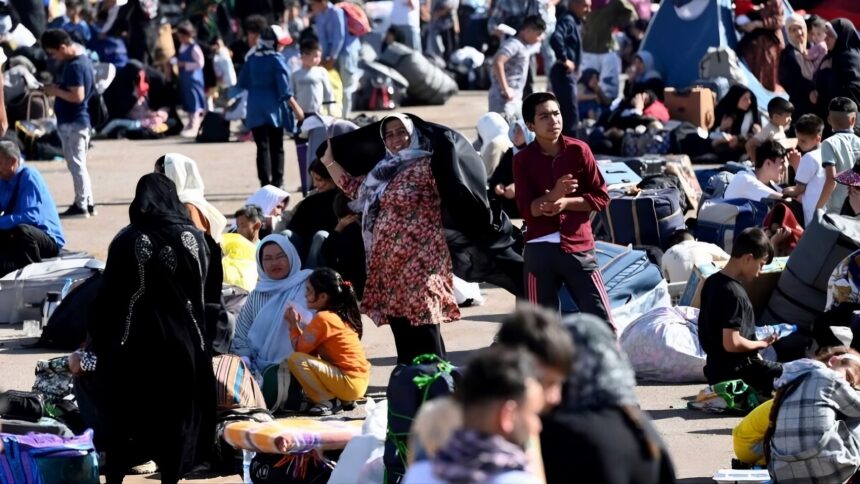
The report, based on an extensive nationwide survey of nearly 49,000 households, including more than 1,500 returnee families, paints a deeply troubling picture of daily life under Taliban rule. Most returnees have settled in impoverished eastern and northern provinces, where scarce employment opportunities, inadequate housing, limited healthcare, water shortages, and overstretched public services have intensified competition for already depleted resources. Host communities, themselves struggling to survive, are increasingly unable to absorb the growing humanitarian burden.
According to the UNDP, nine out of every ten Afghanistani families have been forced to adopt desperate survival strategies simply to endure worsening economic conditions. These measures include reducing the number of daily meals, selling livestock and other productive assets, accumulating unsustainable debt, and relying on informal borrowing to purchase food and other essentials. Household indebtedness has reached alarming levels, affecting 88 percent of returnee families and 81 percent of host households, highlighting the depth of the country’s economic distress and the collapse of household resilience.
The report also documents a steady deterioration in access to essential services, including healthcare, education, clean drinking water, and sanitation. Women, girls, children, and internally displaced families continue to bear the heaviest burden of the crisis, as shrinking humanitarian resources and mounting economic hardship further erode their access to basic rights and public services.
A central finding of the report is that the Taliban’s systematic restrictions on women’s rights have become a major driver of Afghanistan’s deepening poverty. By prohibiting women from working in large segments of the economy, severely restricting their freedom of movement, and excluding them from public life, the Taliban have significantly weakened household incomes while simultaneously undermining humanitarian assistance and economic recovery. In several provinces, the UNDP notes, one in four households previously depended on women’s earnings. Their forced exclusion from the labor market has therefore deprived thousands of families of a critical source of income, pushing many closer to destitution.
Beyond their devastating social consequences, these policies have also undermined Afghanistan’s long-term development prospects. Economists and international development experts have repeatedly warned that excluding half of the country’s population from education, employment, entrepreneurship, and public administration has accelerated economic decline, discouraged investment, reduced productivity, and weakened institutional capacity. The continued erosion of women’s participation in society has become not only a human rights crisis but also one of the principal obstacles to national recovery.
The UNDP concludes that Afghanistan’s worsening humanitarian emergency cannot be separated from the country’s political environment. While economic collapse, climate-related disasters, and mass returns of migrants have all contributed to the crisis, the Taliban’s restrictive governance, institutional exclusion, and systematic repression of women’s fundamental rights have significantly compounded these challenges. The report warns that unless meaningful policy changes are implemented, accompanied by sustained international support and greater protection of fundamental freedoms, millions more Afghanistani citizens will face escalating poverty, food insecurity, displacement, and long-term dependence on humanitarian assistance.