
RASC News Agency: The United Nations World Food Programme (WFP) has reported that Afghanistan’s economy remains under significant strain from inflation, unemployment, and heavy dependence on imports, despite the relative stability of the kabuli Rupees and modest declines in the prices of some food commodities.
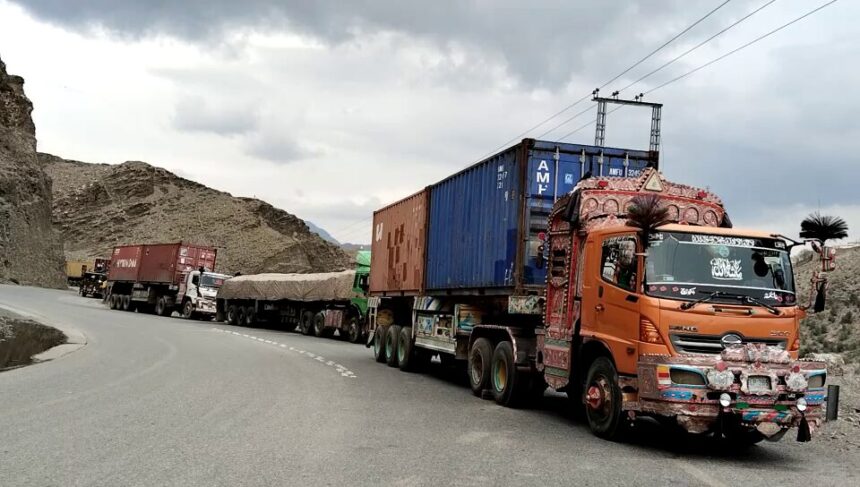
According to the latest assessment, the inflation rate reached 8.6 percent in April, driven primarily by rising costs of food, healthcare services, transportation, and housing. At the same time, disruptions to regional trade routes and increasing transportation expenses have kept the prices of many imported goods elevated.
The report notes that while the prices of certain staples, including wheat and cooking oil, have declined slightly, the cost of sugar and, in particular, rice has risen sharply. Imported rice prices have increased by several tens of percentage points compared with the previous year, placing additional financial pressure on low-income households already struggling to meet basic needs.
WFP further observed that the labour market remains weak and fragile. Daily wage labourers are finding work on average for fewer than two days per week, leaving many families without sufficient income to cover essential expenses. As a result, a typical daily wage worker can afford less than half of a standard food basket, underscoring the severity of the country’s livelihood crisis.
The report highlights that declining purchasing power continues to erode household resilience, forcing many families to reduce food consumption, incur debt, or rely on humanitarian assistance to survive. The economic challenges are particularly acute in rural areas, where employment opportunities remain scarce and communities are heavily dependent on agriculture and informal labour markets.
Critics argue that the continuation of Taliban policies, the absence of an effective strategy for job creation, Afghanistan’s political isolation from much of the international community, and the economy’s overwhelming dependence on foreign aid and imported goods remain among the principal drivers of the country’s prolonged economic crisis. They contend that these structural weaknesses have contributed to declining living standards, persistent poverty, and a sustained erosion of citizens’ purchasing power across the country.
As economic pressures intensify, humanitarian organisations continue to warn that without meaningful economic recovery, expanded employment opportunities, and greater international engagement, millions of Afghanistani citizens will remain vulnerable to food insecurity, poverty, and deepening social hardship.