

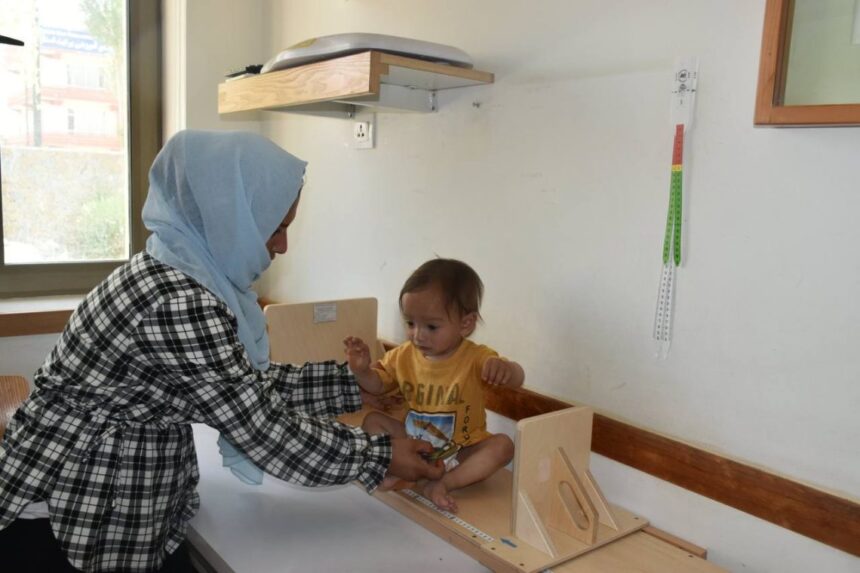
RASC News Agency: UNICEF has warned that approximately 3.7 million children in Afghanistan are expected to suffer from acute malnutrition in 2026, describing the situation as a growing crisis that has intensified across many provinces compared with the previous year.
According to UNICEF’s latest report, an estimated 942,000 children will develop severe acute malnutrition, while more than 700,000 additional children are projected to experience moderate acute malnutrition. The report further states that approximately 1.2 million pregnant and breastfeeding women will face nutrition-related health complications.
The findings indicate that rates of severe wasting caused by malnutrition have increased in 26 provinces across Afghanistan compared with 2025. UNICEF identified Helmand, Kandahar, Daikundi, Zabul, Baghlan, Uruzgan, Paktika, Nuristan, Sar-e Pol, Ghor, Faryab, and Logar among the provinces facing particularly critical conditions.
UNICEF noted that children under the age of two are bearing the brunt of the crisis, accounting for a significant proportion of both severe and moderate malnutrition cases. The agency also reported that a considerable number of infants younger than six months admitted to health facilities are suffering from severe malnutrition accompanied by serious medical complications.
According to the report, the worsening situation is being driven by a combination of rising food insecurity, disease outbreaks, limited access to healthcare and nutritional services, and widespread poverty. Data cited by UNICEF show that food insecurity among children increased from 40 percent at the end of 2025 to 47 percent during the first quarter of the current year.
UNICEF further revealed that more than 800 treatment centres providing care for moderate acute malnutrition have been forced to close due to funding shortages. The agency warned that if the decline in financial support continues, several vital nutrition and humanitarian assistance programmes may be suspended in the coming months.
The organisation stressed that ongoing humanitarian assistance has so far helped prevent a further rise in deaths linked to malnutrition. However, UNICEF cautioned that without increased international support and an expansion of treatment and nutrition services, the risk of a deeper humanitarian crisis remains alarmingly high.