
RASC News Agency: As diplomatic tensions between Islamabad and the Taliban authorities intensify over militant activity along the border, newly surfaced details about Kabul’s alleged support network for Tehrik-i-Taliban Pakistan (TTP) are adding a new layer of complexity to the regional security crisis.
Field findings and accounts from informed sources in Kabul suggest that the Afghanistan’s capital has evolved not only into a political sanctuary but also into what sources describe as a “logistical and medical rehabilitation hub” for TTP fighters.
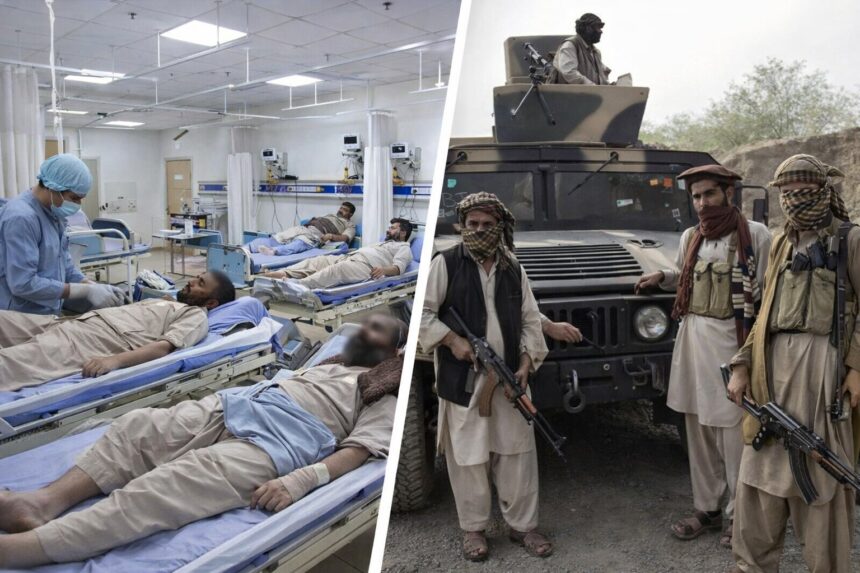
According to documented reports and local sources, Taliban authorities in Kabul have designated several well-equipped medical facilities including specialized wards and reportedly restricted hospital units for the treatment of wounded TTP militants.
Injured fighters from clashes in Pakistan’s Khyber Pakhtunkhwa province and former tribal districts are allegedly transported through informal border routes into Afghanistan. Once in Kabul, they are said to receive treatment in facilities such as the Sardar Mohammad Daoud Khan Military Hospital, the 400-Bed Hospital, and certain private clinics reportedly operating under Taliban intelligence oversight.
A source familiar with the situation, speaking on condition of anonymity due to security sensitivities, stated:
“Some of these facilities function under strict security quarantine. Even Afghanistani civilian medical staff are restricted from accessing certain sections. This goes beyond humanitarian treatment it is structured combat rehabilitation aimed at returning fighters to the battlefield.”
What concerns international observers is not solely the provision of medical care, but what is described as a broader cycle of “treatment, rearmament, and redeployment.”
Reports indicate that after recovery, militants may be re-equipped through Taliban logistical channels, including access to advanced weaponry much of it reportedly originating from military equipment left behind following NATO’s withdrawaland modern communications systems. They are then allegedly facilitated back toward border areas to resume operations against Pakistani security forces.
If verified, such practices would reinforce longstanding Pakistani claims that TTP operates from Afghanistan’s soil with at least tacit support. Taliban authorities have consistently denied allowing Afghanistan’s territory to be used against neighboring states and reject accusations of official backing for anti-Pakistan armed groups. However, these emerging accounts present a narrative that contradicts those assurances.
Security analysts argue that the establishment of dedicated medical and logistical infrastructure for TTP fighters if confirmed would signify more than passive tolerance. It would suggest a calculated effort to maintain leverage over Pakistan through a proxy dynamic.
Such a posture would reposition the Taliban from a potential mediator in regional tensions to an active stakeholder in cross-border conflict.
The issue also carries domestic implications. The reported use of Afghanistan’s most advanced medical facilities for foreign militants at a time when ordinary Afghanistani citizens face severe shortages in healthcare access could deepen public discontent and intensify international scrutiny.
The central question now facing Taliban authorities is whether they are prepared to absorb the political, diplomatic, and economic costs of hosting and rehabilitating TTP fighters particularly at the risk of further deteriorating relations with Pakistan.
As regional tensions sharpen, the allegations if substantiated may redefine the trajectory of Afghanistan’s security posture and its already fragile diplomatic standing in South Asia.