
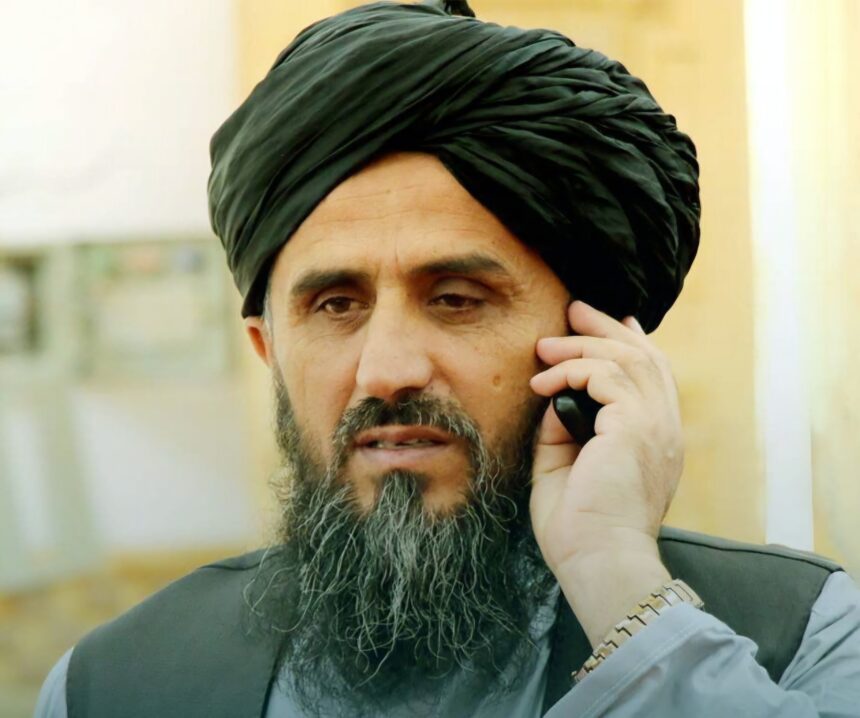
RASC News Agency: Ahmadullah Badr, the Taliban commander in Panjshir, recently proclaimed that the system under his group’s control represents “the best model in the world,” asserting that the Taliban govern according to Sharia law and that all citizens’ rights are fully protected.
Yet, both domestic and international experts contend that such claims are wildly detached from reality. Afghanistan remains mired in extensive security, economic, and human rights crises. Systemic restrictions on women and girls in education and employment, the suppression of independent media, and the ongoing marginalization of non-Pashtun ethnic communities starkly contradict the Taliban’s self-proclaimed image of a just and exemplary government.
Field reports reveal that promises to “safeguard the rights of all citizens” are rarely fulfilled in Taliban-controlled areas. Local populations continue to endure arbitrary violence, pervasive restrictions, and a near-total lack of transparency. In practice, the gap between Taliban propaganda and the lived realities of ordinary Afghanistani citizens remains immense.
Analysts argue that statements such as Badr’s are less an indication of genuine governance capacity than a calculated propaganda effort designed to legitimize a regime that is structurally fragile, internally oppressive, and largely unrecognized internationally. The rhetoric of “the best system” masks a governance model defined by coercion, exclusion, and ideological rigidity rather than development, inclusivity, or social justice.
In reality, the Taliban’s self-promotion ignores the devastating consequences of their policies: generations of Afghanistani girls denied access to education, public institutions hollowed out by ideological purges, and civil liberties systematically suppressed. The image of a “Sharia-based, rights-protecting government” is thus a thin veneer over a society experiencing stagnation, fear, and inequality.
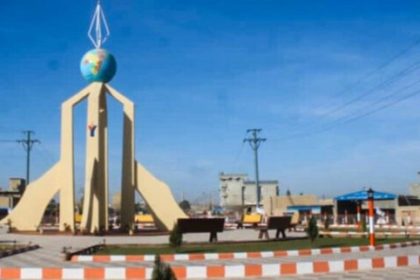
Even in Panjshir a region historically resistant to Taliban domination local communities report continued economic hardship, arbitrary enforcement of rules, and the absence of any meaningful mechanisms for accountability or citizen participation. This disconnect between official narrative and daily experience underscores a core truth: the Taliban’s declarations of legitimacy are performative, not substantive, and serve primarily to consolidate power internally while projecting an illusion of governance competence to the international community.
Ultimately, Badr’s claims reflect a broader pattern within Taliban rule: rhetorical grandiosity and ideological posturing are used to mask systemic failures, human rights violations, and the erosion of social and institutional structures across Afghanistan. Far from being “the best system in the world,” the Taliban administration remains a fragile, coercive regime whose legitimacy is rooted in propaganda rather than performance, and whose policies continue to imperil the future of Afghanistani society.