
RASC News Agency: The United Nations Office for the Coordination of Humanitarian Affairs (OCHA) has warned that Afghanistan’s humanitarian response is facing a critical funding crisis, with only a fraction of the resources required for 2026 having been secured. As the year passes its halfway point, the agency cautions that the widening financial gap threatens to deprive millions of Afghanistanis of life-saving assistance and could significantly worsen one of the world’s most protracted humanitarian emergencies.
According to OCHA, humanitarian organizations require US$1.71 billion to implement emergency relief operations across Afghanistan this year. However, only approximately US$292 million—roughly 17 percent of the total funding requirement has been received to date. The agency stressed that for millions of Afghanistanis, continued humanitarian assistance is not merely a matter of improving living conditions but a question of survival.
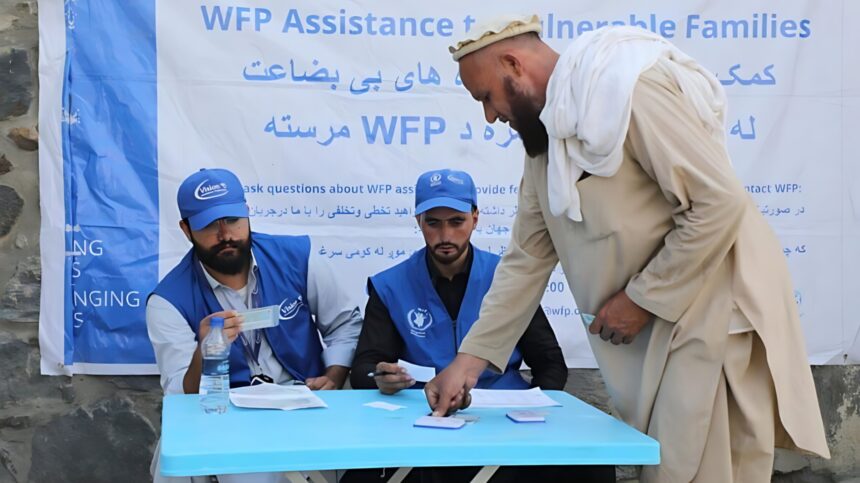
The funding deficit places essential humanitarian programs under severe strain, jeopardizing the delivery of emergency food assistance, healthcare, clean water, sanitation services, nutrition support, emergency shelter, and protection programs for vulnerable populations. Humanitarian agencies warn that without an immediate increase in international funding, they will be forced to scale back or suspend critical operations, leaving countless families without access to basic necessities.
At the same time, newly released assessments indicate that Afghanistan’s humanitarian and economic crisis continues to deepen. More than 11 million people are projected to experience crisis-level or worse food insecurity between April and September 2026, according to humanitarian estimates. This figure includes households facing emergency conditions and, in some locations, even catastrophic levels of food insecurity.
The deterioration has been driven by a combination of collapsing household purchasing power, persistently high unemployment, widespread poverty, declining incomes, repeated climate-related shocks, and the inability of many families to secure sufficient food for daily survival. Across much of the country, households have increasingly resorted to desperate coping mechanisms, including reducing the number of daily meals, selling productive assets, accumulating debt, and withdrawing children from school to contribute to family income.
Humanitarian organizations warn that prolonged underfunding could reverse years of development gains and further undermine Afghanistan’s already fragile social and economic fabric. Vulnerable groups including women, children, internally displaced persons, returnees, persons with disabilities, and rural communities remain disproportionately affected by the crisis.
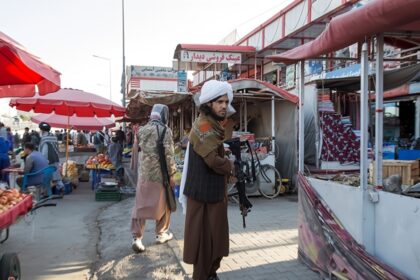
The United Nations has repeatedly emphasized that Afghanistan’s humanitarian emergency cannot be separated from the country’s broader political and economic environment. Since the Taliban returned to power in August 2021, the country has faced deepening international isolation, declining investment, shrinking economic opportunities, and persistent restrictions that have weakened both domestic economic activity and humanitarian operations.
Particularly concerning are the Taliban’s sweeping restrictions on women’s employment, education, and public participation, which UN agencies and international humanitarian organizations have consistently identified as major obstacles to economic recovery and effective aid delivery. Limiting women’s participation in the workforce has reduced household incomes, constrained the operational capacity of humanitarian organizations, and weakened the resilience of communities already struggling with extreme poverty.
Despite repeated international appeals, the Taliban have failed to establish the conditions necessary for sustainable economic recovery, broad-based employment creation, or renewed international confidence. Continued political isolation, restrictive governance policies, institutional weaknesses, and the absence of comprehensive poverty-reduction strategies have further deepened Afghanistan’s dependence on foreign humanitarian assistance.
OCHA warns that unless donor governments substantially increase financial support and humanitarian access remains protected, millions of Afghanistanis could face worsening hunger, preventable disease, displacement, and extreme deprivation in the months ahead. The agency reiterated that timely international assistance remains indispensable to preventing further human suffering and averting an even larger humanitarian catastrophe in Afghanistan.