

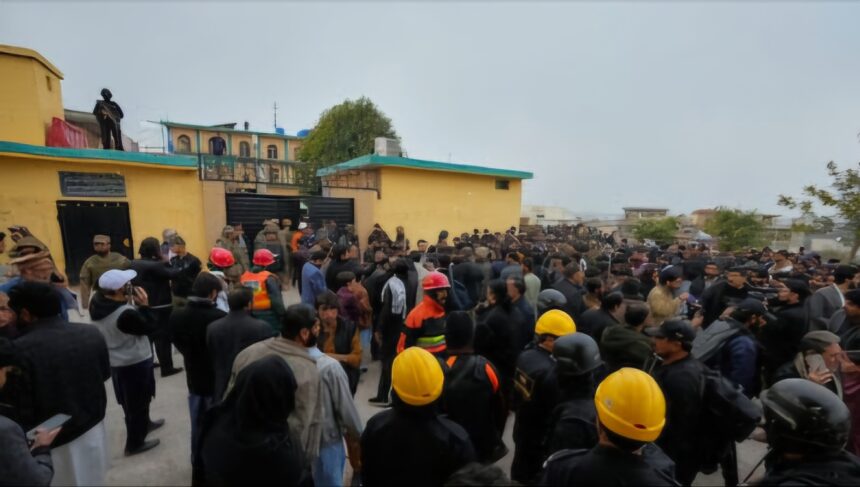
RASC News Agency: The government of Pakistan has pledged to respond with “full force” following a suicide bombing at the Hazrat Khadija Kubra Mosque in Islamabad. The attack, which occurred on Friday during Friday prayers and coincided with the official visit of the Uzbek president, killed at least 31 people and injured 169. Pakistan’s Ministry of Defense has held the Afghanistani Taliban responsible, claiming that the ruling group in Kabul harbors and facilitates terrorist activities, thereby exacerbating threats to Pakistan.
Defense Minister Khawaja Asif stated that the attacker engaged with security forces before detonating explosives and emphasized that the government will not negotiate with the Afghanistani Taliban. He affirmed that Pakistan would take a decisive and broad response against those responsible and their supporters. This marks a shift in Pakistan’s approach toward the Taliban from dialogue to practical action.
According to News18, Pakistan has previously accused the Taliban of supporting groups such as the Tehrik-i-Taliban Pakistan (TTP) and escalating insurgent activity in Balochistan. The increase in attacks and border incidents last year has heightened tensions between Islamabad and Kabul. Analysts describe the Taliban’s policy of sheltering terrorist networks as a primary source of regional security threats.
Despite mediation efforts by Turkey, Qatar, and Saudi Arabia, peace negotiations with the Taliban have stalled. The Taliban have rejected Pakistan’s demands to extradite TTP members and respect the country’s border security. Security experts warn that the Taliban’s continued governance, combined with protection of extremist groups, limited international oversight, and a lack of independent security structures, could intensify cross-border terrorist crises.