

RASC News

Rudabe Applied Studies Center

  • Home
  • Afghanistan
  • World
  • Arts & Culture
  • History
  • Business
  • Sport
  • Women Studies
  • Videos
  • Photos
  • About
  • English
    • العربية
    • English
    • Français
    • Deutsch
    • پښتو
    • فارسی
    • Русский
    • Español
    • Тоҷикӣ
RASC NewsRASC News
  • Home
  • Afghanistan
  • World
  • Arts & Culture
  • History
  • Business
  • Sport
  • Women Studies
  • Videos
  • Photos
  • About
Follow US
© 2023 RASC. All Rights Reserved.
RASC News > Afghanistan > Nasir Andisha: Afghanistan Faces the Largest Migration Crisis in History Following Taliban Rule
AfghanistanNewsWorld

Nasir Andisha: Afghanistan Faces the Largest Migration Crisis in History Following Taliban Rule

Published 15/10/2024
SHARE

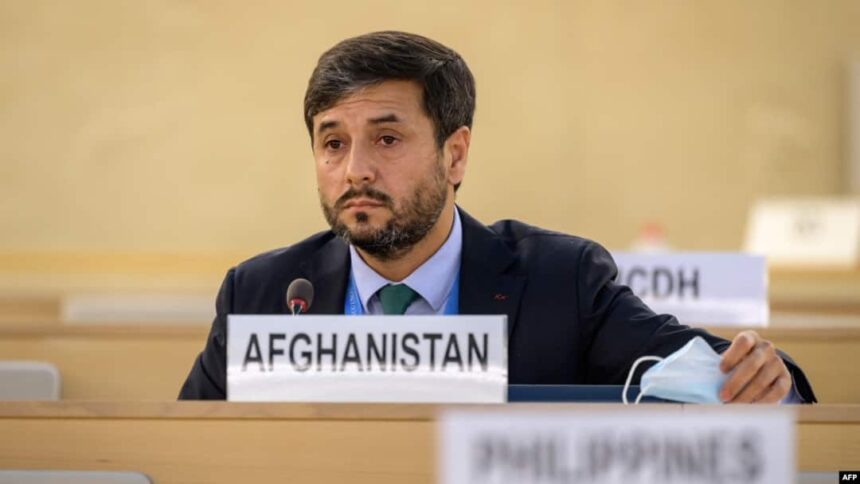
RASC News Agency: During a high-level meeting of the United Nations High Commissioner for Refugees (UNHCR) on Monday, Afghanistan’s Ambassador to Geneva reported that nearly 8 million Afghanistanis have fled the country in the past three years. Nasir Andisha emphasized that the plight of Afghanistani migrants and internally displaced individuals presents one of the gravest challenges facing the international community.

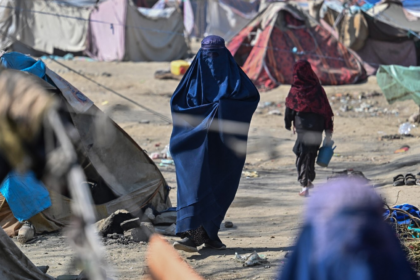
Andisha’s statements were made at the 75th UNHCR Annual Meeting, where he described the mass exodus of 8 million Afghanistanis following the Taliban’s military resurgence as “one of the largest mass migrations in human history.” The International Organization for Migration (IOM) indicated in mid-August that this exodus has been marked by more than 8 million Afghanistanis leaving their homeland since the Taliban’s return to power. Approximately 1 million Afghanistanis have sought asylum in European nations, with 85% relocating to neighboring countries, primarily Iran and Pakistan.

Reports suggest that numerous Afghanistanis have departed due to escalating security threats and rising unemployment. Nonetheless, the Taliban’s Ministry of Refugees and Repatriation announced that 640,000 Afghanistani migrants have returned to Afghanistan over the past six months, mainly from Iran, Pakistan, and Turkey. In recent months, both Pakistan and Iran have reportedly detained and expelled hundreds of thousands of Afghanistani migrants. The major factors driving this migration crisis include a lack of employment opportunities, pervasive poverty, systemic marginalization, ethnic and political oppression, and fears of persecution from the Taliban.

RASC 15/10/2024

Follow Us

Facebook Like
Twitter Follow
Instagram Follow
Youtube Subscribe
Related Articles
AfghanistanNewsWorld

Afghanistan Leads the World in Internal Displacement Amid Taliban-Induced Instability

19/05/2025
Amr Bil Maruf of the Taliban Group: We Prevented Music from Being Played at a Wedding Party in Ghazni Province
Taliban Official: International Recognition Should Not Be Conditional on Women’s Rights or Inclusive Governance
National Resistance Council Declares Taliban’s Forced Displacements as a Clear Case of “Ethnic Cleansing”
Taliban Ministry of Virtue Closes Private Radio Station “Zhman” in Khost
- ADVERTISEMENT -
Ad imageAd image
Lorem ipsum dolor sit amet, consectetur adipiscing elit. Vivamus a odio ex.
English | Français
Deutsch | Español
Русский | Тоҷикӣ
فارسی | پښتو | العربية

© 2023 RASC. All Rights Reserved.

Removed from reading list

Undo
Welcome Back!

Sign in to your account

Lost your password?