

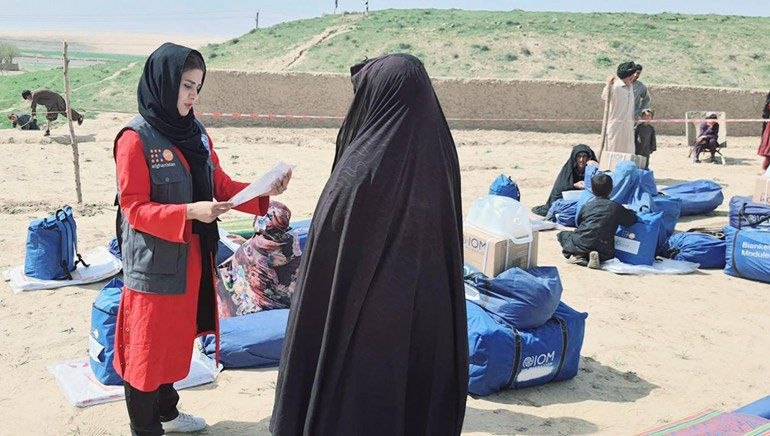
RASC News Agency: The United Nations Children’s Fund (UNICEF) has warned that its humanitarian operations in Afghanistan are facing a funding gap of more than $542 million, a shortfall that could further restrict access to life-saving services for millions of people across the country.
According to UNICEF, the agency appealed for approximately $949 million in funding for 2026, yet only 43 percent of the required amount has been secured to date. Meanwhile, an estimated 22 million people in Afghanistan, including 11.6 million children, remain in need of humanitarian assistance.
UNICEF cautioned that a combination of protracted economic hardship, climate-related shocks, large-scale returns of migrants, and restrictions imposed on women and girls has significantly complicated the humanitarian situation. The funding deficit has also placed severe strain on healthcare facilities, nutrition programmes, and educational services.
The agency further warned that hundreds of thousands of children are expected to suffer from severe acute malnutrition this year, while millions more remain vulnerable to food insecurity. The return of more than five million migrants from neighbouring countries has added further pressure to already overstretched local communities and public services.
Observers argue that poverty and hunger have reached increasingly alarming levels under Taliban rule, while existing humanitarian efforts remain insufficient to meet the scale of the population’s needs. Despite repeated warnings from international organisations, including UNICEF, regarding the deepening humanitarian emergency, critics contend that the absence of effective economic governance and the continuation of restrictions affecting social and economic activity have intensified pressures on ordinary families, particularly in impoverished regions.
They further maintain that widespread unemployment, declining household incomes, and limited access to essential services have made living conditions increasingly difficult for millions of Afghanistani citizens, pushing many families to the brink of food insecurity and deepening their dependence on humanitarian assistance.