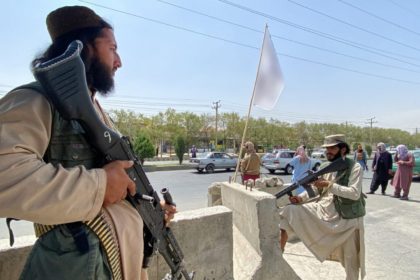

RASC News Agency: The unexpected takeover of Afghanistan by the Taliban in August 2021 marked a decisive turning point in the country’s contemporary history. What had been a fragile but gradually developing nation was instantly plunged into a deep, multi-layered crisis. The consequences of this abrupt shift have inflicted widespread suffering on the Afghanistani population while simultaneously creating a serious threat to regional and international security.
Taliban rule, anchored in an extremist and rigid interpretation of Islam, continues nearly four years later to face widespread public discontent. Policies targeting women, human rights, education, and international engagement have not only reversed years of social and economic progress but also stand in stark violation of international norms and obligations. Today, Afghanistan confronts one of the most severe humanitarian crises in the world, with millions of citizens dependent on urgent and sustained humanitarian assistance.
The Taliban’s initial promises of a “new era of peace and democracy” quickly proved hollow. From the earliest months of their rule, systematic violations of civil and human rights particularly against women and girls became an entrenched feature of daily life. The current political structure shows no signs of reform or inclusive development, leaving the majority of the population dependent on international aid. Moreover, multiple reports indicate that a portion of humanitarian assistance has been diverted to armed groups and terrorist networks operating within the country, some of which maintain direct ties to the Taliban. This combination of repression, economic weakness, and manipulation of aid has left Afghanistan politically isolated and economically stagnant on the global stage.
The latest report by the United Nations Security Council Monitoring Team paints a stark picture of Afghanistan under Taliban control. While the group has consolidated territorial control and imposed a degree of internal order in some regions, this so-called “stability” has been achieved at an extraordinarily high and inequitable human cost borne primarily by women, girls, non-Pashtun ethnic groups, journalists, and officials of the former Islamic Republic of Afghanistan.
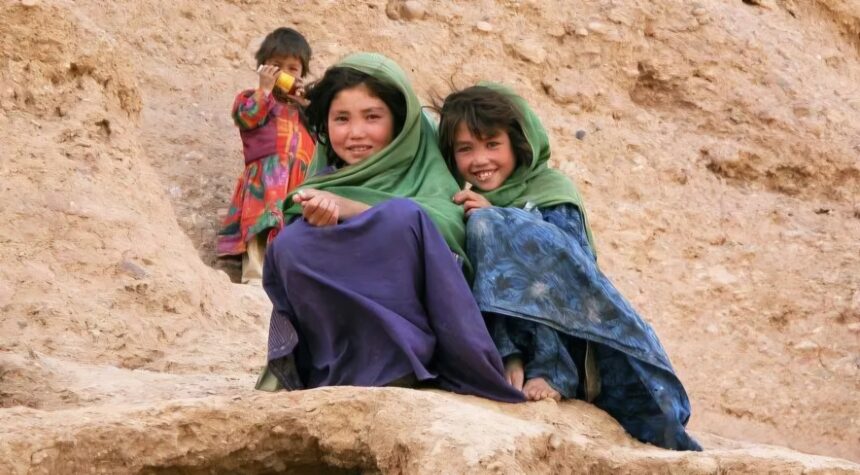
At the center of this power structure stands Hibatullah Akhundzada, the Taliban leader, whose absolute authority criminalizes dissent and enforces strict adherence to Taliban ideology. The UN report describes the situation for women and girls as “dire,” exposing the widespread deprivation of even the most basic human rights. According to the 2024 Afghanistan Gender Index published by UN Women, eight out of ten Afghanistani women are denied access to education, employment, and vocational training, placing Afghanistan among the most gender-unequal countries in the world.
Women are barred from secondary and higher education, face severe restrictions in the workplace, and experience progressively constrained freedom of movement and access to healthcare. Economic and social pressures are driving families toward child and forced marriages, further undermining women’s rights and social agency. International estimates suggest that these policies cost Afghanistan’s economy over $1 billion annually, deepening the country’s economic fragility.
The UN Security Council report emphasizes that these restrictions are not mere administrative measures; they are directly decreed by Hibatullah Akhundzada and justified as “religious requirements”, a rationale maintained in defiance of both domestic opposition and international pressure. This ideological rigidity continues to cast an increasingly long shadow over human rights and development prospects in Afghanistan, leaving the future of women, civil liberties, and inclusive governance in profound uncertainty.