

RASC News Agency: Verified sources confirm that the Taliban have arrested Abdulaziz Shuja, marking the third cleric to be detained for publicly criticizing the group’s leadership in Kabul. Previously, two other prominent religious scholars, Mahmoud Hassan and Abdulqadir Qanet, were taken into custody after denouncing the Kandahari Taliban’s monopolization of power. According to informed sources, Abdulaziz Shuja served as the imam of the Mow-e-Mubarak Mosque at Baraki Square in Kabul and headed a religious school. He was reportedly apprehended by Taliban intelligence forces. A source close to his family confirmed his detention, stating that while he remains in Taliban custody, his relatives have no knowledge of his location.
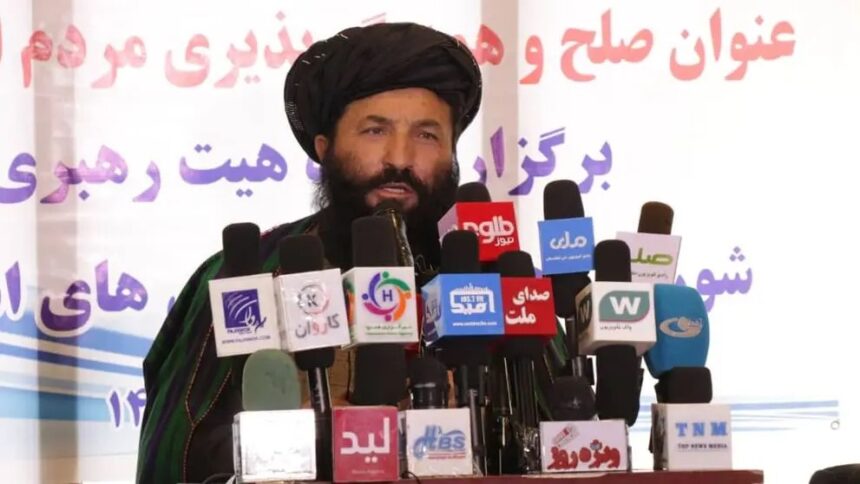
On Monday, during a conference convened by the Council for the Protection of Islamic and Jihadi Values in Kabul, several clerics launched scathing criticisms against the Taliban’s Kandahari faction, condemning its stranglehold on power and urging the formation of an inclusive government. Mahmoud Hassan and Abdulqadir Qanet, the conference’s two keynote speakers, had already been arrested prior to Shuja’s detention. Originally from Takhar province, Shuja is known to be a close associate of Qanet. Additionally, sources report that the Taliban have also detained Qanat’s son, further escalating concerns over the regime’s suppression of dissent.
The Taliban’s ethnically driven faction remains intolerant of any criticism, silencing all voices that challenge its authoritarian rule. The irony is stark: once a movement that justified its assassinations, bombings, and suicide attacks in the name of Sharia and Islam, the Taliban have now entrenched themselves in power through an exclusionary, ethnic-based dictatorship. This regime, which acknowledges no authority beyond its ranks of Taliban and Pashtun members, has proven unwilling to heed even the voices of religious scholars and clerics figures who were once regarded as ideological allies.